
Tantallon Cakes
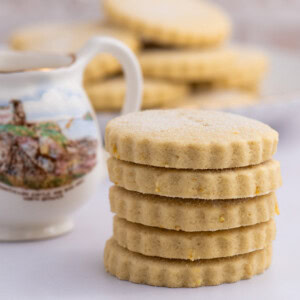
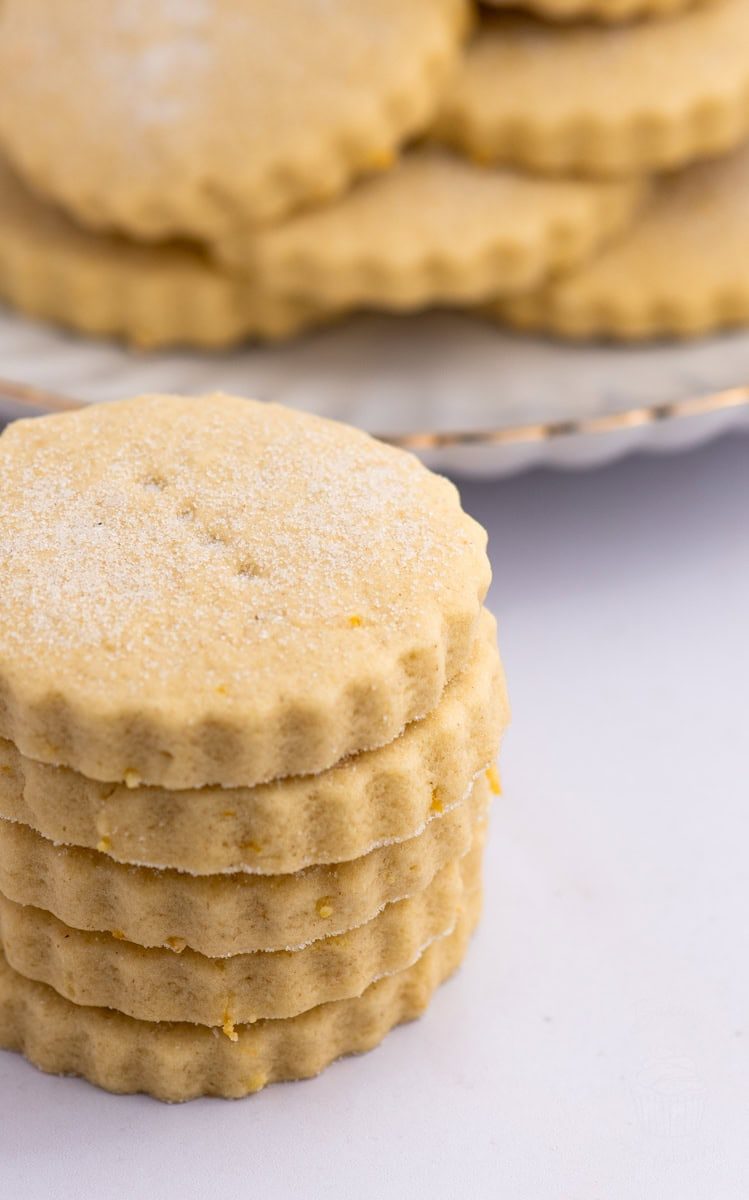
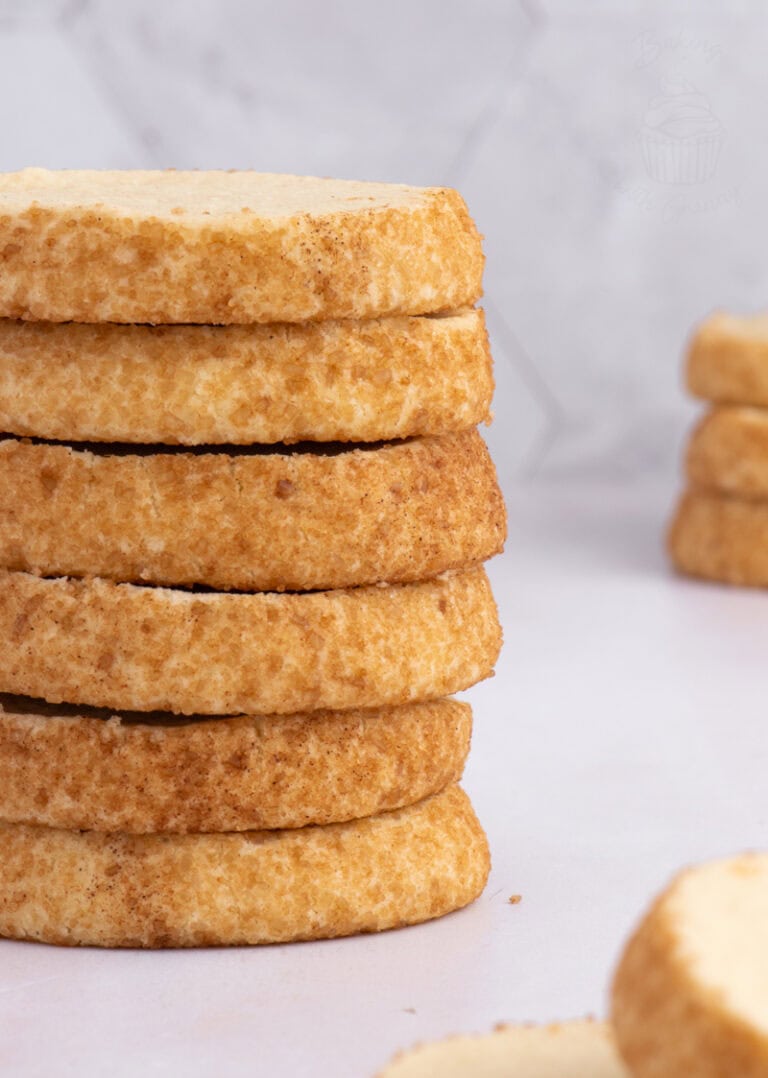
Tantallon Cakes are a traditional Scottish biscuit from East Lothian, named after the famous Tantallon Castle near North Berwick. These buttery biscuits have a crumbly texture similar to shortbread, with a light lemon flavour that makes them perfect with a cup of tea.
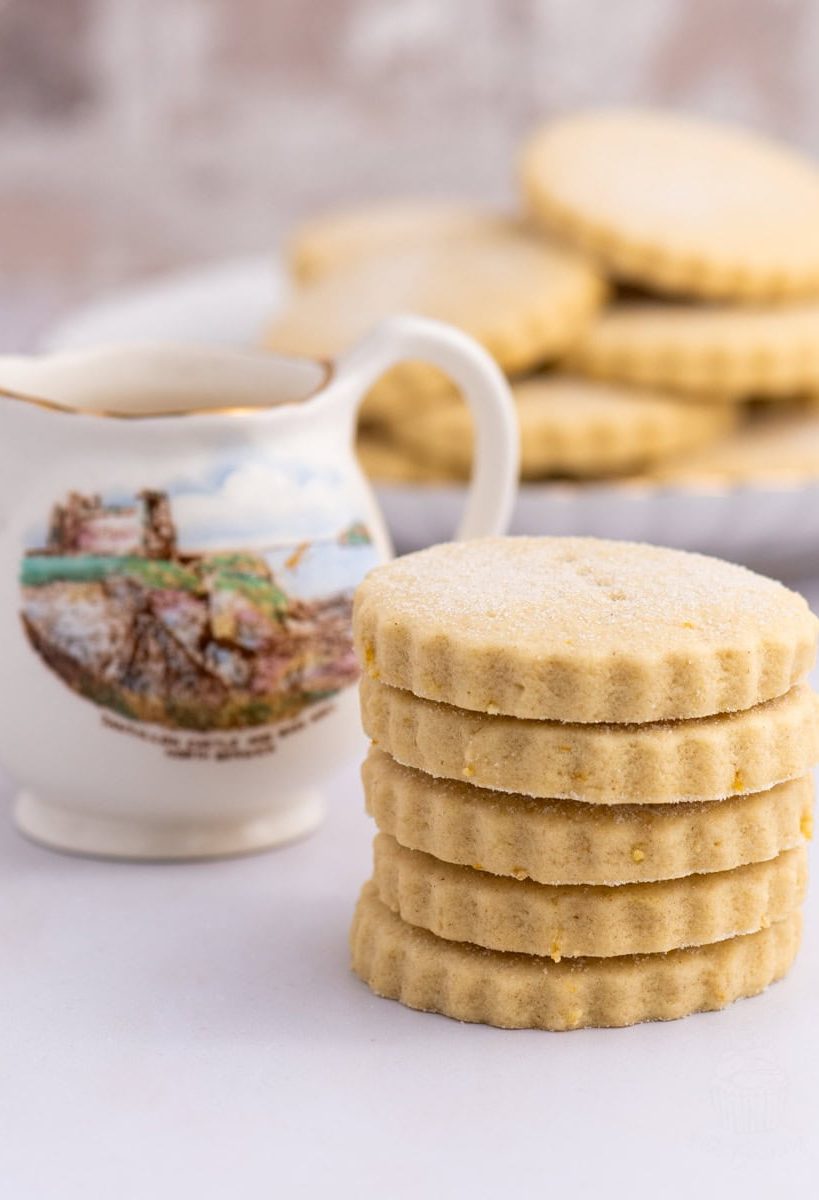
Having grown up in North Berwick, I was always very familiar with Tantallon Castle. I have since moved on from there and now stay in what is lovingly known as “the poor man’s North Berwick” (if you know, you know!), but Granny and Papa continue to live in Scotland’s most desirable seaside town, so we drive past Tantallon Castle every time we visit.
A mighty fortress that dates right back to the 1300’s – and the landmark these lovely little Tantallon Cakes take their name from.
The name Tantallon ‘Cakes’ is perhaps misleading, though, as they are not actually cakes but in fact biscuits – a type of shortbread, similar to my classic Scottish Shortbread recipe, but with a lovely lemony taste to them.
Tantallon Cakes were the creation of Brodie’s Bakery of North Berwick High Street, back in the early 1900’s. Brodies used to make & sell Tantallon Cakes, which were kept in a glass jar on the counter. Back then, they were known as ‘Tantallon Teacakes’, but it’s unclear as to when the ‘tea’ was dropped from the name. It was even said by locals that these biscuits were enjoyed by the Royals!
I certainly recommend these lovely little shortbread biscuits as a cheeky Scottish treat, with a zesty summer twist. And should you ever be in East Lothian, it’s definitely worth taking a jaunt to Tantallon Castle for a wee visit, as well as my home town of North Berwick – just be sure to say “hello to Granny, if you see her!

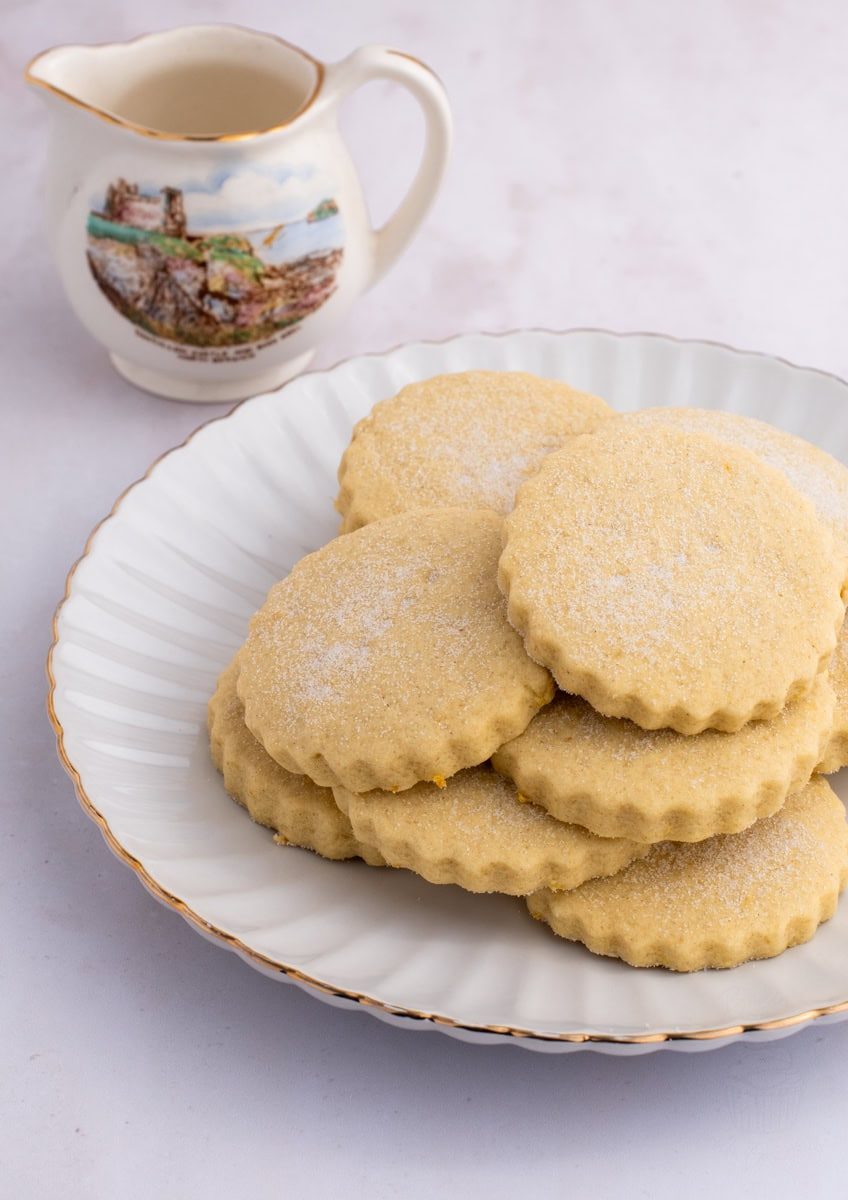
Top Tips for Tantallon Cakes:
• Use Block Margarine or Butter: For the best texture, use block margarine or butter, rather than spreadable versions from a tub. The higher fat content helps give the biscuits their classic shortbread-like texture.
• Chill the Dough if it Feels Soft: If your dough feels sticky or too soft to roll, wrap it and pop it in the fridge for 20–30 minutes. This makes it much easier to handle and helps the biscuits hold their shape while baking.
• Roll Evenly for Consistent Baking: You want to aim for an even thickness when rolling your dough so the biscuits bake evenly. If some are thinner than others, they will brown faster, which can affect their overall taste.
• Lemon Options: Freshly grated lemon zest will give the best flavour, but lemon extract is a great alternative if you don’t have any fresh lemons available to you. ½ to 1 teaspoon of lemon extract is ideal, depending on how lemony you want your Tantallon Cakes cookies to be.
• Dust with Sugar While Still Warm: By sprinkling the sugar while the biscuits are still warm, the sugar will stick to the top of the biscuits, meaning it won’t all fall off the minute you bite into one!
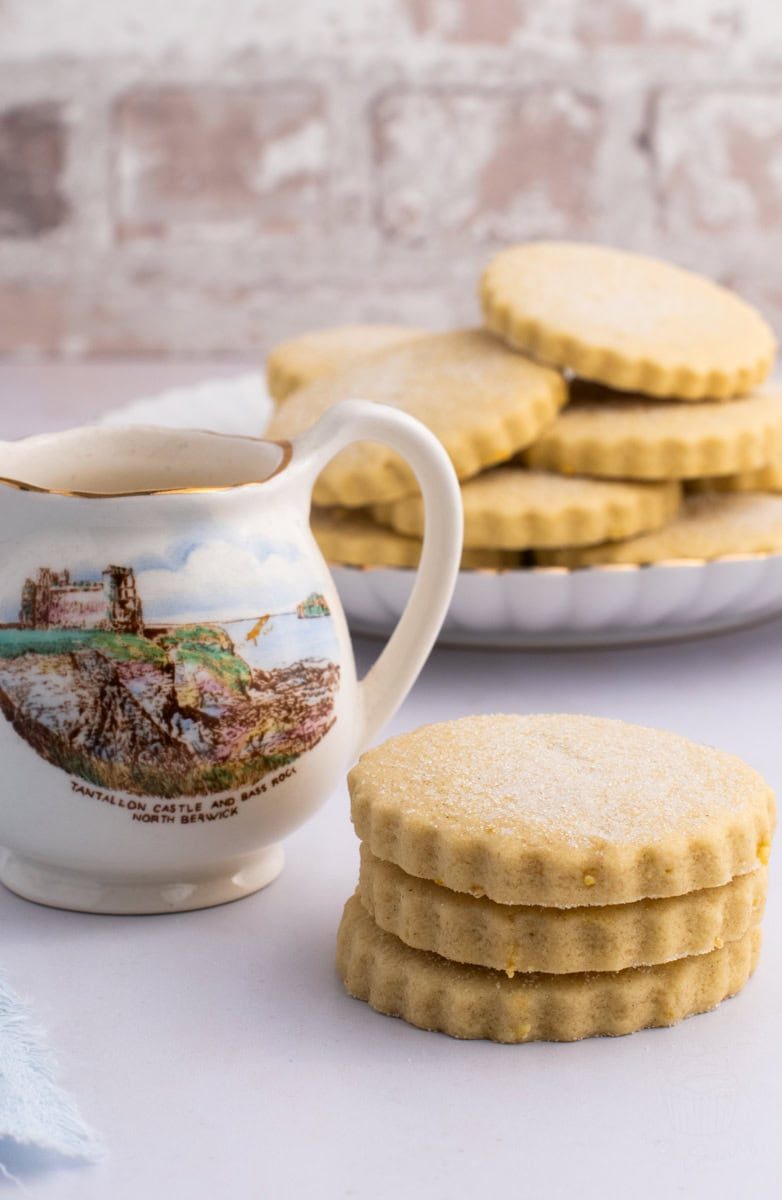
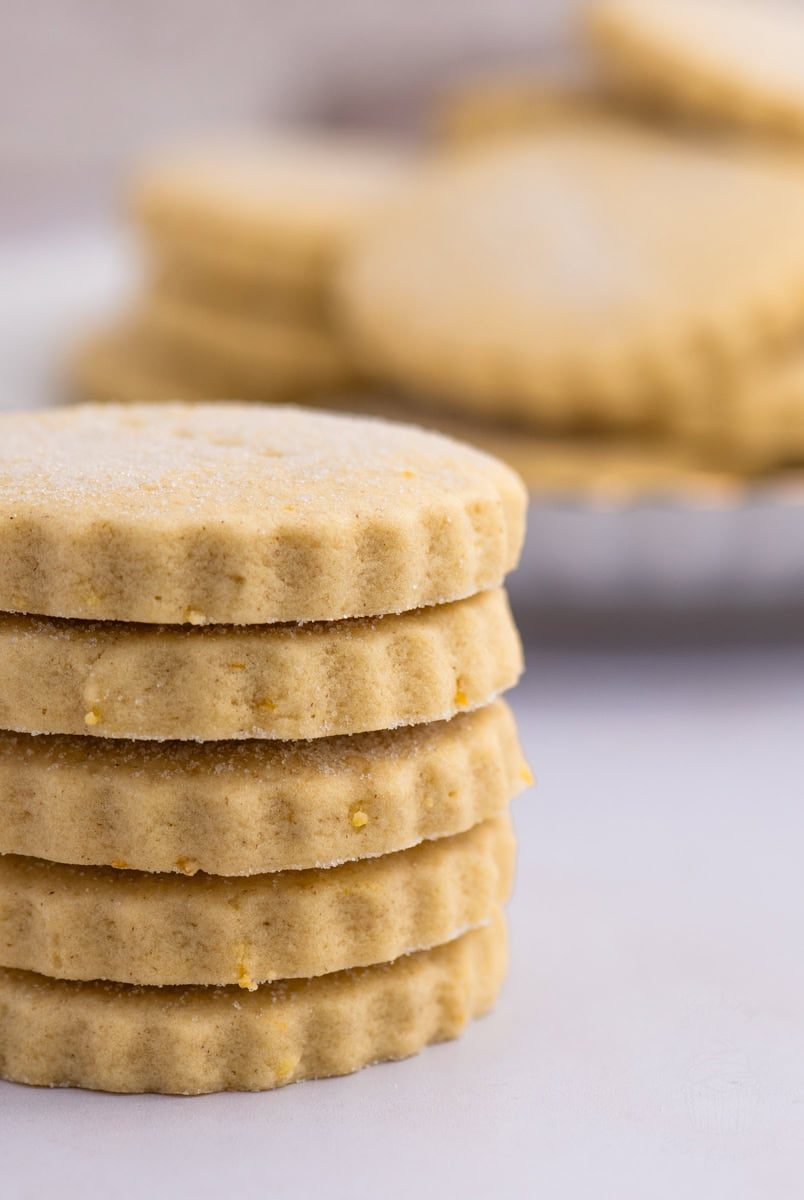
Save this recipe!
Want to save this recipe for later? Pop your email below and come back to it when you’re ready to bake.
Tantallon Cakes
INGREDIENTS
- 100 g Caster Sugar (Superfine Sugar)
- 150 g Block Margarine or Butter
- Zest of 1 Lemon
- 1 Free-range Egg
- 200 g Plain Flour (All-purpose Flour)
- 50 g Cornflour (Corn Starch)
- ¼ tsp Bicarbonate of Soda (Baking Soda)
EQUIPMENT
- Fluted Round Cutter (6cm)
INSTRUCTIONS
- Preheat your oven to 180°c (160°c for fan-assisted ovens, Gas Mark 4 or 350°F) and line a couple of baking sheets with greaseproof paper. Set aside.
- Cream together the margarine/butter and sugar in a large bowl until light and fluffy.
- Add the egg & lemon zest, and mix until well combined.
- Sift the flour, cornflour and bicarbonate of soda and mix to form a dough – you may need to use your hands. Tip the dough onto a lightly floured worktop, and gently knead until smooth.
- Roll your dough to around 5mm thick and cut with a fluted-edge cookie cutter. Transfer each biscuit to your pre-lined baking trays and prick the tops with a fork.
- Bake in your pre-heated oven for around 12-15 minutes until the edges of the biscuits are golden.
- Remove from the oven and, while still warm, sprinkle a little excess caster sugar over each biscuit. Leave to cool on the baking sheets until cool enough to touch, before transferring to a wire rack to cool completely.
IMPORTANT NOTE:
All my recipes are developed using a digital scale and the metric system (grams and millilitres). Cup measurements are available as a conversion but these, unfortunately, won’t always be as accurate. For best results, I always recommend baking with a digital scale.
NOTES
Storage:
Store Tantallon Cakes in an airtight container at room temperature. They will keep well for around 4-5 days, although the texture may change slightly as time passes.Substitutions:
- Lemon Flavour: Fresh lemon zest will give the best flavour, but you can use lemon extract as a substitute. ½ to 1 teaspoon of lemon extract is ideal, depending on how much lemon flavour you’d like.
- Cornflour: If you don’t have any cornflour (corn starch), just replace it with another 50g of plain flour (all-purpose flour). The cornflour gives your biscuits a snappier texture, but it isn’t essential.
- Butter or Margarine: Both butter and block margarine work well in this recipe. Just be sure you use a block margarine and not a spreadable one.
Tried this recipe?
Tag @bakingwithgranny or use the hashtag #bakingwithgranny!Tantallon Cakes are a biscuit originating from North Berwick in Scotland. Despite being called “cakes”, they are in fact a kind of shortbread biscuit. What makes Tantallon Cakes different from other shortbreads is the delicious lemon flavour.
Tantallon Cakes are named after Tantallon Castle, which is on the outskirts of North Berwick, Scotland, where they first originated. It’s unclear why they were named so; possibly just as a tribute to the iconic landmark.
The fact that they are known as cakes when they are actually biscuits also presents a bit of confusion. However, they were originally known as Tantallon Teacake, with the “tea” being dropped at some point along the way.
Tantallon Cakes are super easy to make. You start by creaming your butter and sugar, before adding the egg and lemon zest. Next, you sift in the flour, corn flour and bicarbonate of soda, kneading it all together into a dough.
You then roll your biscuit dough to around 5mm thick and cut out your biscuits with a fluted-edged cookie cutter. Bake the biscuits for about 12 minutes before removing from the oven. Allow your Tantallon Cakes to cool before serving.
Tantallon Cakes have a buttery, crumbly texture similar to shortbread with a light lemon flavour. The lemon zest gives them a fresh citrus flavour that balances the biscuits’ richness.
Free-from & Vegan:
Gluten-Free: In theory, to make these gluten-free Tantallon Cakes, you could replace the plain flour with a good-quality gluten-free plain flour blend. As gluten-free flours behave differently, the texture may vary slightly, and the dough may be a little drier and more delicate to handle. I haven’t tested this substitution, but let me know if you!
Dairy-Free: To make these dairy-free Tantallon Cakes, use a dairy-free block margarine in place of the butter/margarine. Many baking margarines are naturally dairy-free, but always check the label to be sure.
Vegan: To make these vegan Tantallon Cakes, use a dairy-free block margarine in place of the butter/margarine, and add 2½ tablespoons of dairy-free milk to replace the egg.
N.B. Any advice or suggestions to make recipes “free-from” or vegan are purely that – suggestions. Please be careful to double-check all ingredients individually, taking extra caution when serving to those with allergies & intolerances.
For more info on common food allergies, please see food.gov.uk | For more info on coeliac disease, please see coeliac.org.uk | For more info on a vegan diet, please see vegansociety.com
Originally published in July 2017. Updated with new photos in January 2025.



I have never heard of these before, but I know I would like them as I love shortbread and flavoured with lemon is a great addition. thank you for linking to #Bakeoftheweek x
How many cakes does the recipe make?
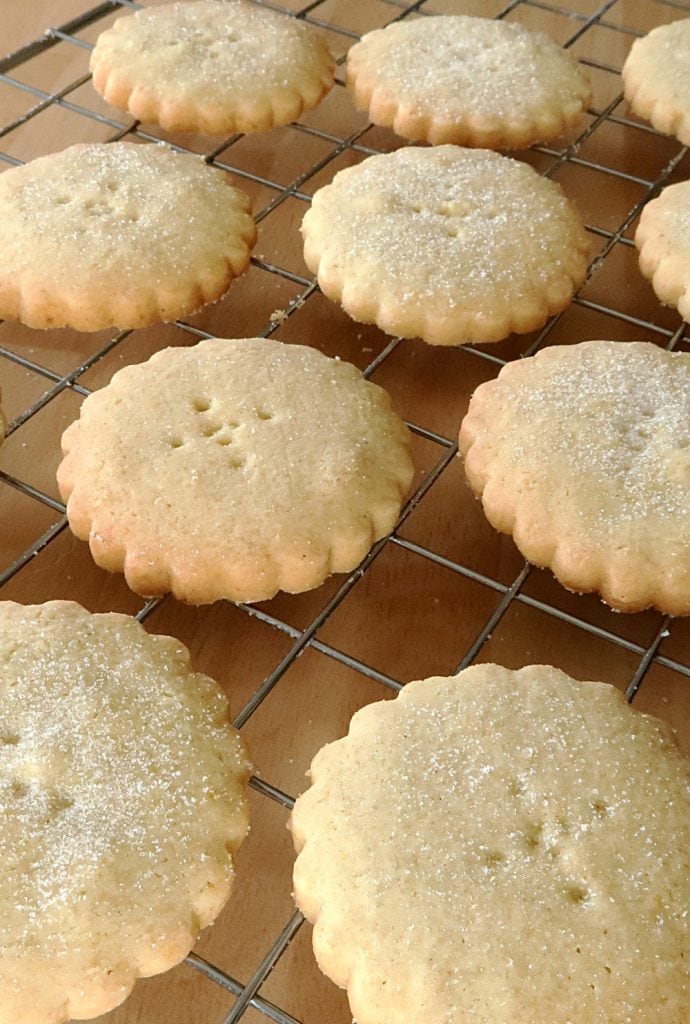
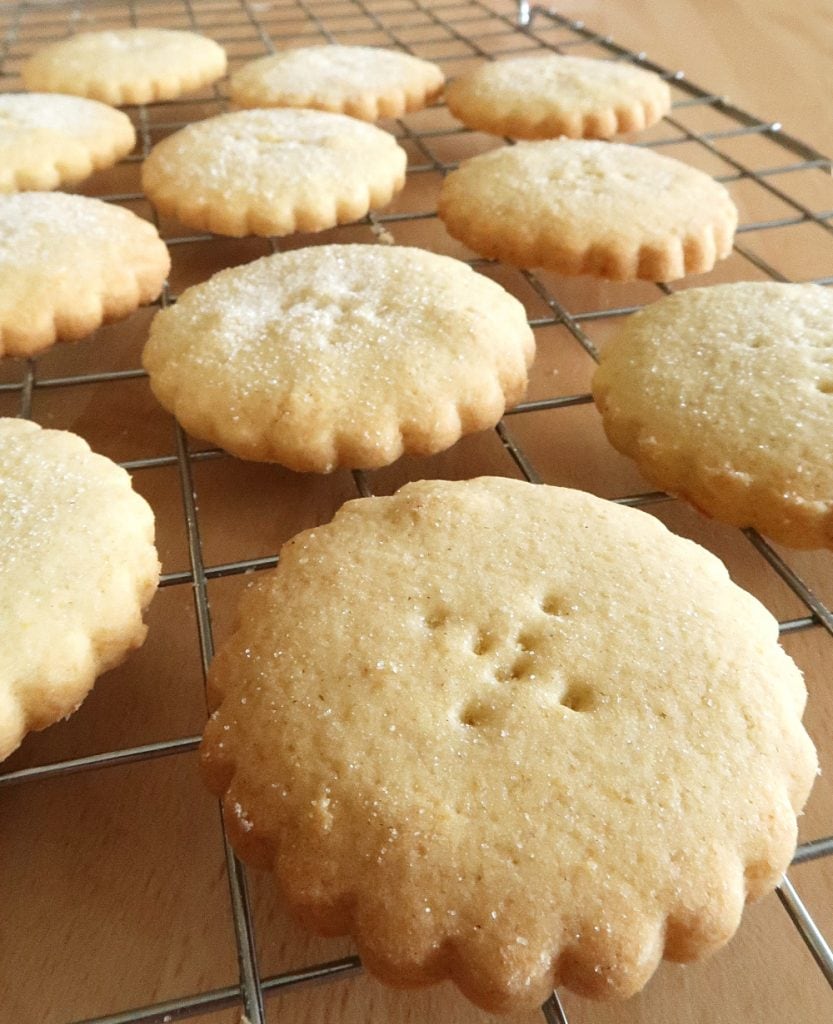
I got 32 biscuits, using a 5.5cm cutter.