Summarise & Save this Recipe on:
Summarise & Save this Recipe on:
The Classic British Madeira Cake
Say hello to Madeira Cake – a classic British sponge cake.
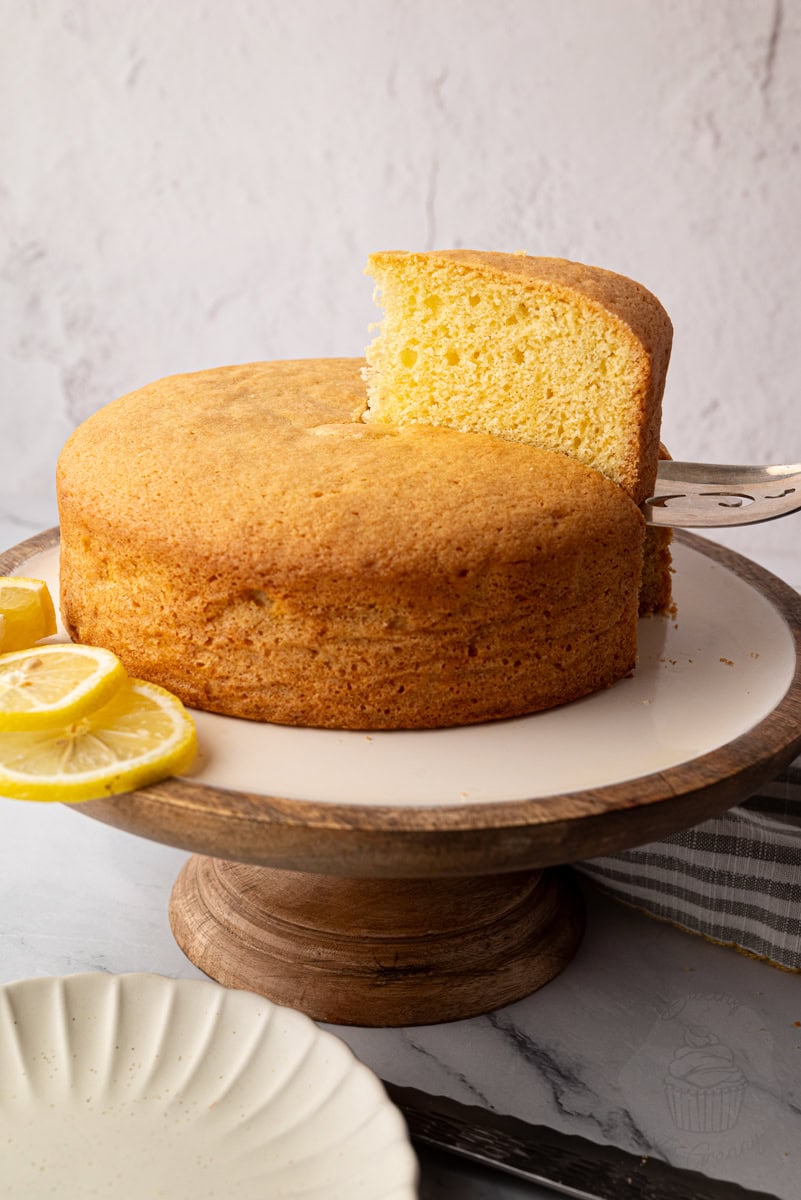
Known for its somewhat dense, buttery crumb and firm yet tender texture. It’s slightly denser than a Victoria Sponge, which makes it perfect for neat slices that hold their shape, as well as a good choice for celebration cakes you want to decorate with fondant.
Why is it Called Madeira Cake?
Despite the name, Madeira Cake doesn’t actually come from the island of Madeira. Instead, it was originally made to be enjoyed alongside a glass of Madeira wine in the 18th and 19th centuries. The cake itself is unmistakably British – a straightforward, no-fuss sponge that is all about the flavour and texture, rather than decoration.
Traditionally, Madeira Cake has a gentle lemon undertone but not to the degree of a Lemon Drizzle Cake. It’s not meant to be overpowering – just a nice degree of freshness that balances the richness of the butter and eggs. Nowadays, vanilla is also a popular addition, giving a warmer flavour that also works well, particularly if you’re using the cake as a base for decorating.
One of the things I love most about Madeira Cake is just how versatile it is. You can bake it in a round tin for a classic tea-time cake look, or in a loaf tin for easy slicing and more of a pound cake vibe. It’s lovely served just as it is, but you could also add a simple icing, a layer of buttercream, or even use it as a base cake for an elaborately decorated novelty cake. Because of its slightly denser finish, it’s ideal for carving and decorating without it crumbling apart!
Free-from & Vegan
Gluten-free Options:
To make a gluten-free Madeira Cake, you should be able to swap out the self-raising flour for a gluten-free self-raising flour. I haven’t tested this myself, but I know people have had success with this swap in some of my other cake recipes, so it would hopefully transfer to this recipe, too.
Nut-free Adjustments:
This recipe contains no nuts, but as always, be sure to double-check the allergen lists for your individual ingredients.
Dairy-free Swaps:
To make this a dairy-free Madeira Cake, simply use a dairy-free baking margarine instead of butter.
Egg-Free Adaptations:
To make this recipe egg-free, you can use a vegan egg substitute, such as Oggs.
Vegan Substitutions:
To make this a vegan Madeira Cake, you can use a dairy-free baking margarine and try an egg substitute. I haven’t tested the different egg-replacement options, but flaxseed eggs or an Aquafaba egg (such as Oggs) should be good options.
Allergy Disclaimer & Resources:
Any advice or suggestions to make recipes “free-from” or vegan are purely suggestions. Please double-check all packaged ingredients individually, taking extra caution when baking for those with allergies or intolerances.
For official guidance on food allergies, please see Food Standards Agency (food.gov.uk) | For more info on coeliac disease, please see Coeliac UK (coeliac.org.uk) | For more info on a vegan diet, please see The Vegan Society (vegansociety.com)
Tips for Traditional Madeira Cake:
- Round or Loaf: Madeira Cake can be made in any shape of tin, but round or loaf are the two most common. This recipe uses an 18cm (7-inch) round tin, but you can also use a 900g (2lb) loaf tin without having to adjust the recipe quantities.
- Use Room Temperature Ingredients: Your butter and eggs should be at room temperature before you start. This helps everything combine properly, bake at a steady rate and give you a smooth, even sponge.
- Butter or Margarine, Which is Best: Much like most of my cake recipes, I prefer to use a soft margarine designed specifically for baking – such as Stork. I find this to be the best for creating moist, predictable cakes. If you are a butter purist, you can, of course, use butter, too. Just be sure that whatever you use is at room temperature, or in the case of butter, softened – which is usually a little warmer than your average room temperature.
- Cream the Butter and Sugar Enough: But not too much. You want your butter and sugar to be light, pale and fluffy – then stop. You don’t want to overmix your ingredients in this one. Madeira Cake is quite a dense sponge, and overmixing can cause it to collapse during baking.
- Lemon or Vanilla: Traditionally, Madeira Cake would be made with a slight lemon undertone. I like to use some lemon extract to achieve this, as it saves me having to remember to buy lemons! But you can, of course, use some lemon zest, should you prefer. Alternatively, you can use a little vanilla instead, which is a popular modern choice and works well if you plan to use this recipe as a base for a birthday cake.
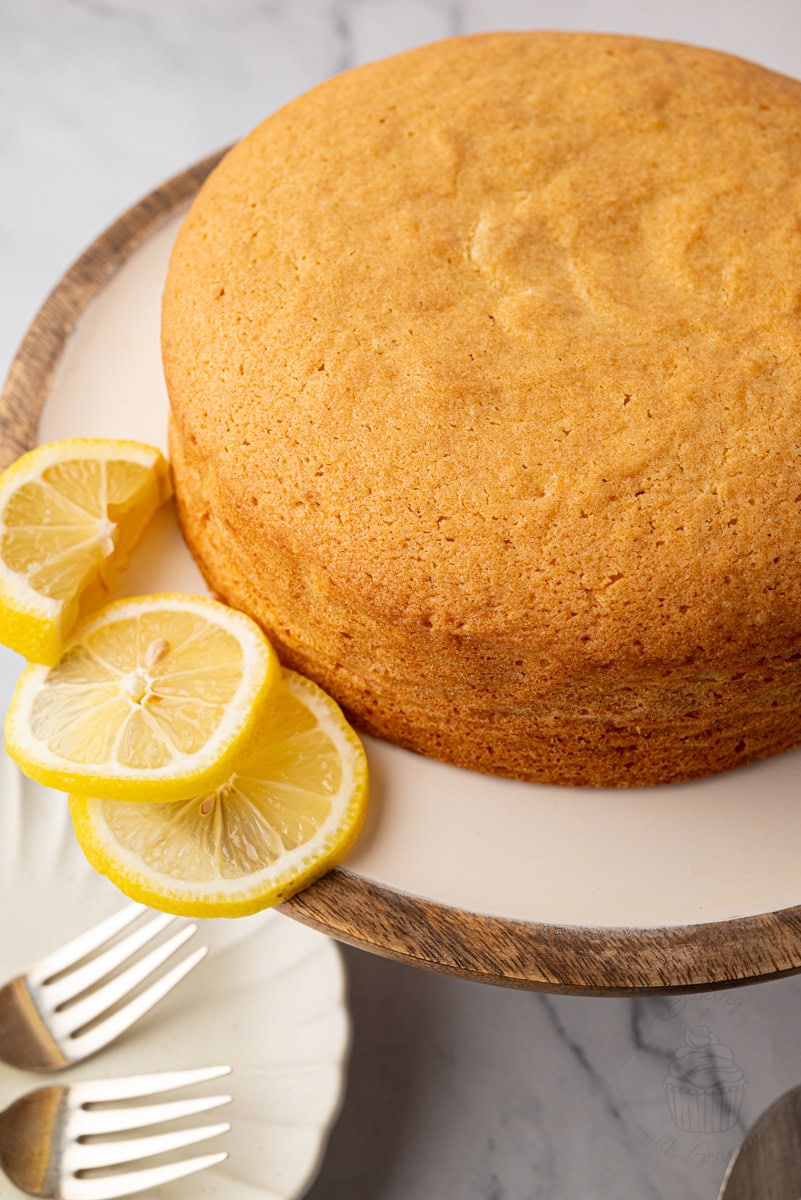
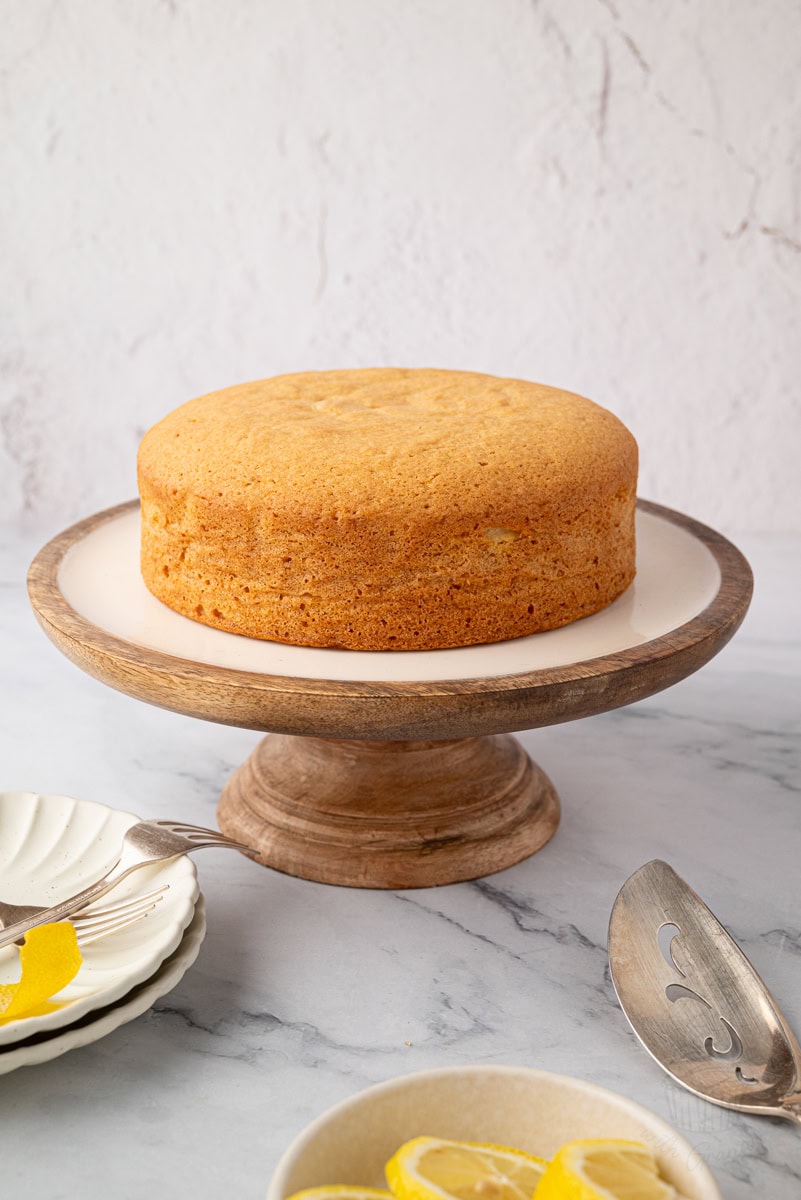
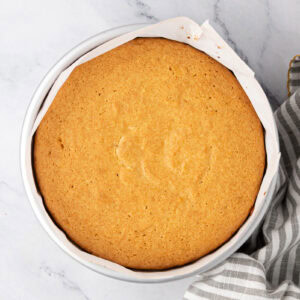
- Crack, or No Crack: Often, you will see a Madeira Cake with a crack on the top. This is a common feature that can happen during baking. It occurs when the cake rises quickly during baking. Depending on how you plan to serve your Madeira Cake, you may or may not want the cracked top. If you would prefer a flat top (like pictured), you can try reducing your oven temperature a little and baking for longer. Or, if you want a crack, you can try upping your oven temperature slightly – just keep a close eye on your baking time in that case!
- How to Know It’s Done: Insert a skewer into the centre, and it should come out clean. The top should feel firm and spring back lightly when pressed.
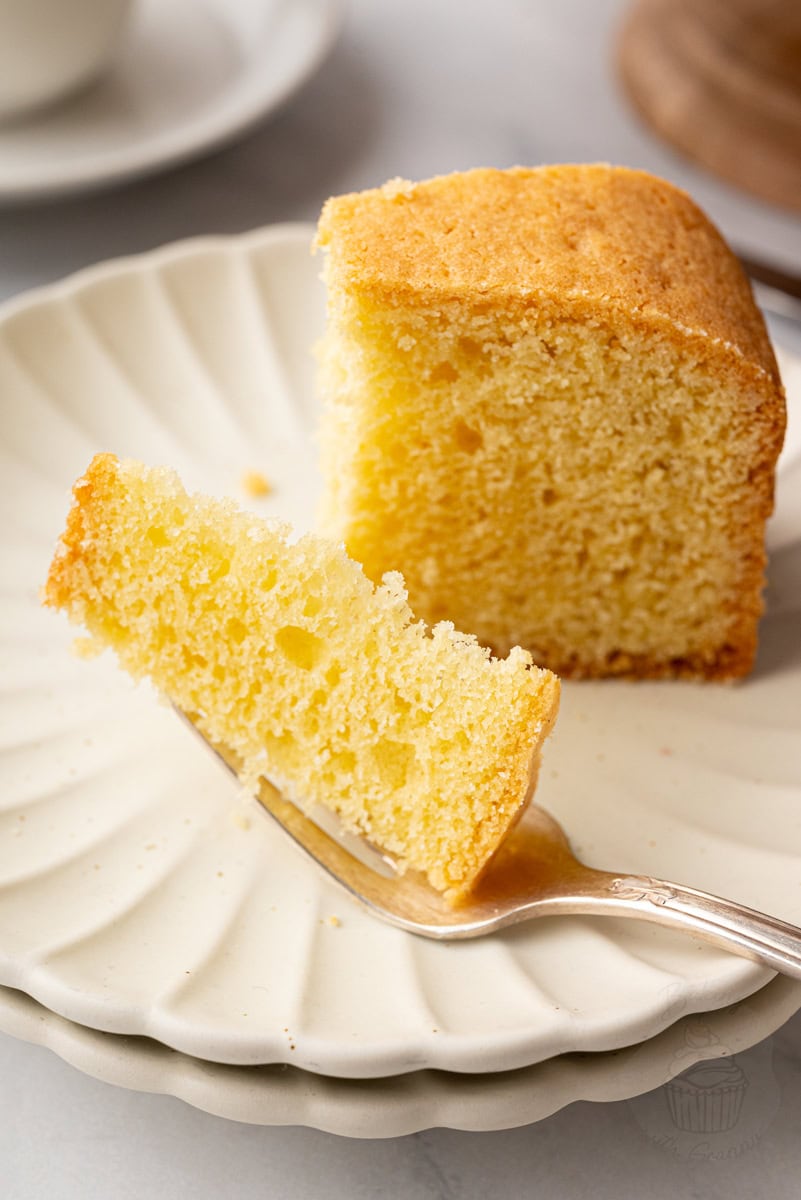
With thanks to Naomi Seiler for creating these photos.
Madeira Cake FAQs
Madeira cake is a traditional British sponge cake known for its close, firm crumb and rich buttery flavour. It’s slightly denser than a Victoria sponge, making it ideal for neat slices and for decorating. Traditionally flavoured with lemon, modern versions often include vanilla.
Madeira cake is made by creaming butter and sugar together until light and fluffy, then adding eggs one at a time before folding in flour and flavourings such as lemon zest or vanilla. The mixture is baked in a lined round or loaf tin at a moderate temperature until golden and firm. The result is a simple, sturdy sponge with a delicious, tender crumb.
Despite its name, Madeira cake does not come from the Island of Madeira. It is a classic British cake that became popular in the 18th and 19th centuries when it was traditionally served alongside a glass of Madeira wine. The cake itself is entirely British in origin!
A Madeira cake will stay fresh for around 4-5 days when stored in an airtight container at room temperature. Because of its firm, dense crumb, it keeps particularly well compared to lighter sponges. It can also be wrapped tightly and frozen for up to 3 months.
Madeira cake and pound cake are similar, but they’re not exactly the same. Both are firm, buttery cakes with a close crumb. However, traditional pound cake is made with equal weights of butter, sugar, eggs and flour. Madeira cake typically contains a little more flour and often includes some lemon flavour, giving it a slightly lighter texture and a subtle citrus flavour. Madeira cake is also more commonly associated with British baking, whereas pound cake tends to be American.
Yes! Madeira cake is an excellent choice for birthday cakes. Its firm, sturdy crumb makes it ideal for layering, covering with buttercream or fondant, and even carving into creative shapes. Because it holds its structure well without crumbling, it is often used as a base for decorated celebration cakes while still tasting soft and buttery.
More Afternoon Tea Favourites:
Save this recipe!
Want to save this recipe for later? Pop your email below and come back to it when you’re ready to bake.
Madeira Cake
INGREDIENTS
- 150 g Soft Margarine (or Butter) (at room temperature)
- 150 g Caster Sugar
- 3 Free-range Eggs (at room temperature; see Egg Size note below)
- 225 g Self-raising Flour
- ½ tsp Lemon Extract or Vanilla Extract (whichever preferred; optional)
EQUIPMENT
INSTRUCTIONS
- Preheat your oven to 180°c (160°c, Gas Mark 4 or 350°F). Grease and line a deep 18cm (7-inch) cake tin with greaseproof paper and set aside.
- In a large bowl, cream together the margarine/butter and sugar until light and fluffy.
- Add the eggs one at a time, ensuring each is mixed through before adding the next. Don’t worry if the mixture appears to curdle – this will remedy itself once the flour is added.
- Add the lemon or vanilla extract (if using) and mix through.
- Sift in the flour and gently fold to create a thick batter. Spoon the batter into your pre-lined tin and bake in your pre-heated oven for 40-45 minutes, until risen, golden in colour, and a skewer inserted comes out clean.
- Leave to cool in the tin for around 15 minutes, then transfer to a wire rack to cool completely.
IMPORTANT NOTE:
All my recipes are developed using a digital scale and the metric system (grams and millilitres). Cup measurements are available as a conversion, but these, unfortunately, won’t always be as accurate. For best results, I always recommend baking with a digital scale.
RECIPE NOTES:
Substitutions:
- Margarine: I use a soft baking margarine for sponge cakes as I find them to be more predictable and give a lovely light sponge. But butter can be used instead, if you prefer – just make sure it is very soft before you start.
- Lemon: Traditional Madeira cake includes lemon zest for a gentle citrus flavour, but I prefer to use a dash of lemon extract – purely so I don’t have to worry about having lemons handy (I never do). Vanilla is also a popular choice.